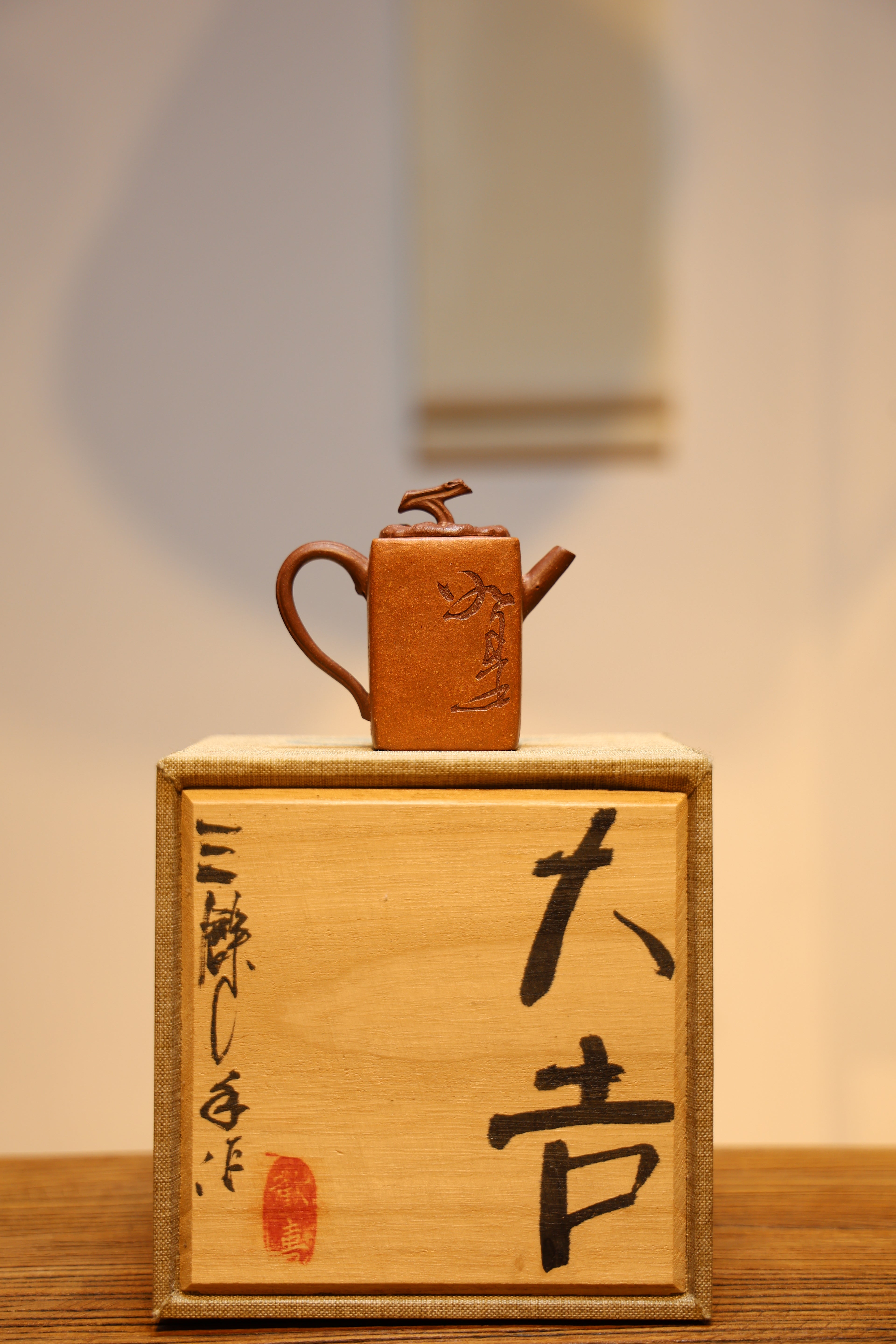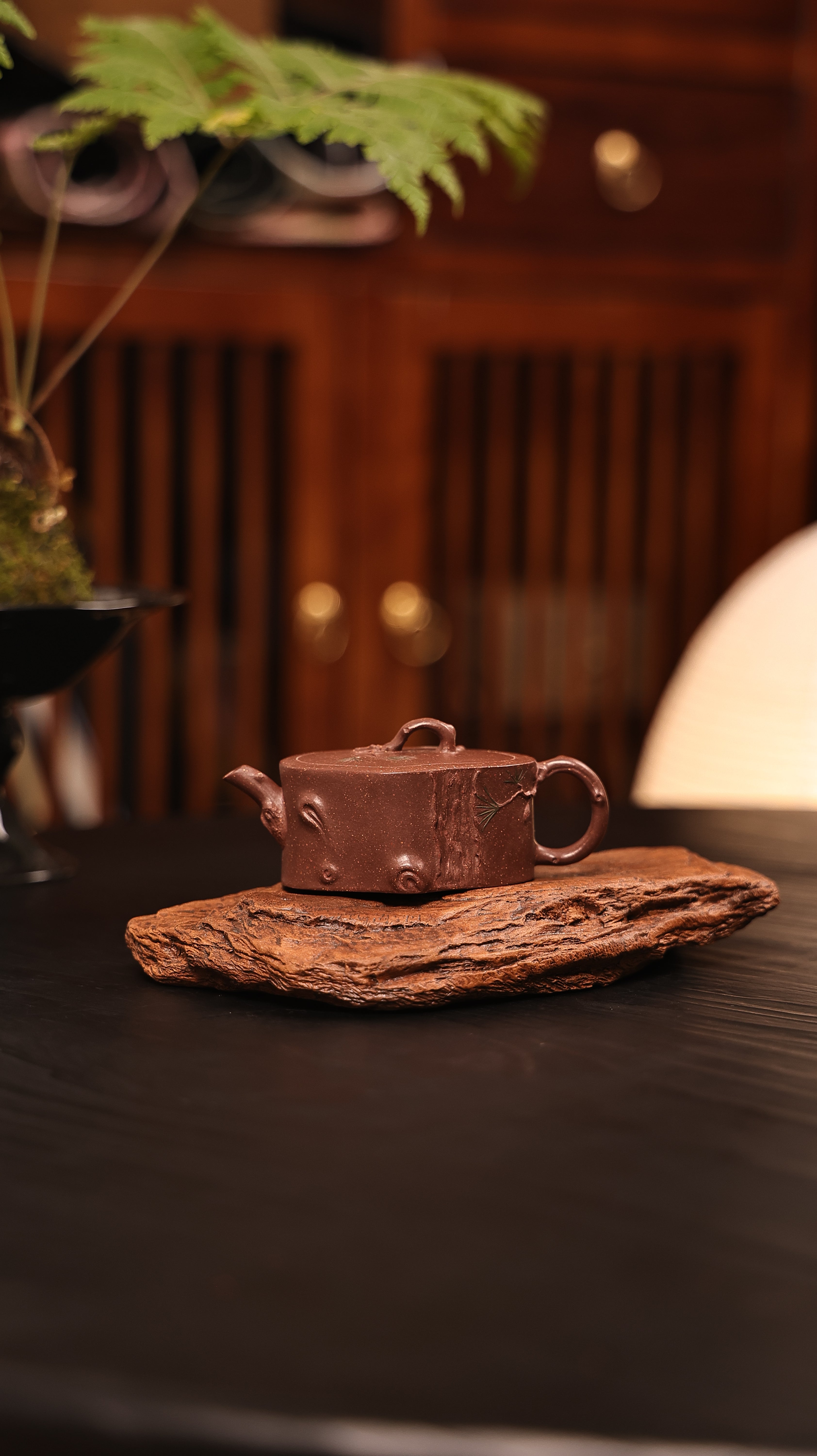
Millennia of devotees have craved the exceptional fascination of Yixing Zisha pitchers. Founded in the scenic town of Yixing, the homeland, these urns are constructed from a infrequent and quarried purple clay celebrated for its outstanding thermal qualities and facility to amplify the savor of liquids. More than their practical significance, Zisha teapots illustrate a vast heritage tradition, rendering them markedly coveted and a authentic treasure for any committed teapot aficionado.
Delving into Yixing Teapots
Classic teapots demonstrate a distinctive synthesis of history and expert craftsmanship. Emerging in Yixing, Jiangsu Province of China, their narrative begins from the Ming Dynasty, although documentation suggest earlier forms. The singular purplish clay, called Zisha, found merely in the Yixing region, is the paramount component, contributing to the pots' remarkable heat stability and the manner they modify the flavor of tea. Continuums of potters have honed techniques—often bequeathed through families—including molding the clay, applying detailed embellishments, and firing the pots at accurate temperatures.- In the past, Yixing teapots were often beautified with simple designs.
- Over time, more ornate carvings and representative motifs became trendy.
- The heat application itself is a crucial element, requiring extended spans of knowledge.
Gathering Zisha Teapots: Fundamental Factors
Undertaking a quest to secure Zisha jars can be satisfying, but it’s fundamental to know what to seek. Authenticity is principal; focus on the substance’s natural hue, a soft reddish-brown is conventional. Examine the texture; genuine Zisha has a notable tactile sensation, often expressed as slightly uneven. The configuration should be well-proportioned and consistent with classic styles, while impressions, if present, require scrupulous examination for genuineness. Don’t refrain to consult with skilled consultants or established contacts – their guidance is critical.
The Clay Pots: Investigating the History of renowned Purple Clay
Years have seen Yixing Yixing Clay teapots sustain a remarkable role in Chinese culture. These finely fashioned pots, sourced distinctively from the province of Yixing, are prominent for their distinctive color, consistency, and their ability to Zisha Teapot boost the essence of extracts. Various collectors strive for antique Yixing teapots, admiring them significantly not only for their aesthetic magnificence, but also for the legacy they portray.
Yixing Zisha Teapots: Such Premier Categories and Their Qualities
Yixing Pottery teapots, sourced from the authentic territory of Yixing, the Chinese territory, are famed for their special clay and exceptional brewing capabilities. Among the countless Zisha types, notable classes that are highly admired include Huiwan. Binzhou, known for its rich purple shade and fine texture, delivers a mild flavor. Duan Ni Zisha, recognizable by its mahogany color and moderately grainy feel, is regarded to enhance tea’s body. Lastly, Zhuni class boasts an exceptional carmine tone and can give a pleasant nuance. Each breed yields a special experience, causing them highly desirable towards brew enthusiasts.
Achieving Your Ceramic Pitcher
To experience the wonder of your Yixing pitcher, mastering the correct method is fundamental. These clay teapots, celebrated for their absorbency, will eventually retain the flavor of the tea you formulate within them. Begin by flushing the teapot thoroughly with tepid water. Then, use only excellent full leaf tea, as lower quality options can damage the item’s delicate character. Always give the leaves to spread completely, and remember that with each use, your Yixing pitcher will become increasingly esteemed.
Safeguarding Your Exceptional Zisha Piece
Proper management for your Zisha pot is fundamental to safeguarding its beauty and merit. Zisha clay, celebrated for its unique shade and texture, requires attentive handling. Never use intense chemicals, as these can undermine the glaze. After every utilization, rinse the kettle with comfortably warm water and allow it to air out completely.
- Shun soaking the jar for extended intervals.
- Sporadically use a soft towel to dress the exterior.
- Consider applying a thin layer of food-grade lubricant inside the urn after drying, which can prevent staining.
Basics of Yixing Clay Pots
Yixing containers, originating from the Yixing province in Jiangsu Province, located in China, are celebrated for their distinctive traits. Shaped from the unique purple clay known as Zisha, these kettles are prized by potion enthusiasts worldwide. This summary will simply explain the core elements – covering sorts of Zisha matrix, popular shapes, and vital care suggestions. Understanding the roots of Yixing jars can improve your appreciation for this esteemed example of Far Eastern folklore.
Fabrication of Chinese Clay Pots: Concentrating on Zisha found in this city of Yixing
Zisha compound from Yixing represents the height of Yuan vessel design, showing a exclusive compound of raw beauty and valuable artistry. These famous pieces are honored for their saturated color palettes, often ranging from deep purples and rust hues to subtle greys and delicate beiges. The specific mineral composition of the regional Zisha soil imparts a characteristic texture and produces a pleasing aroma that enhances the comprehensive extract experience, affording them notably admired collectibles and indispensable components of any serious practice.