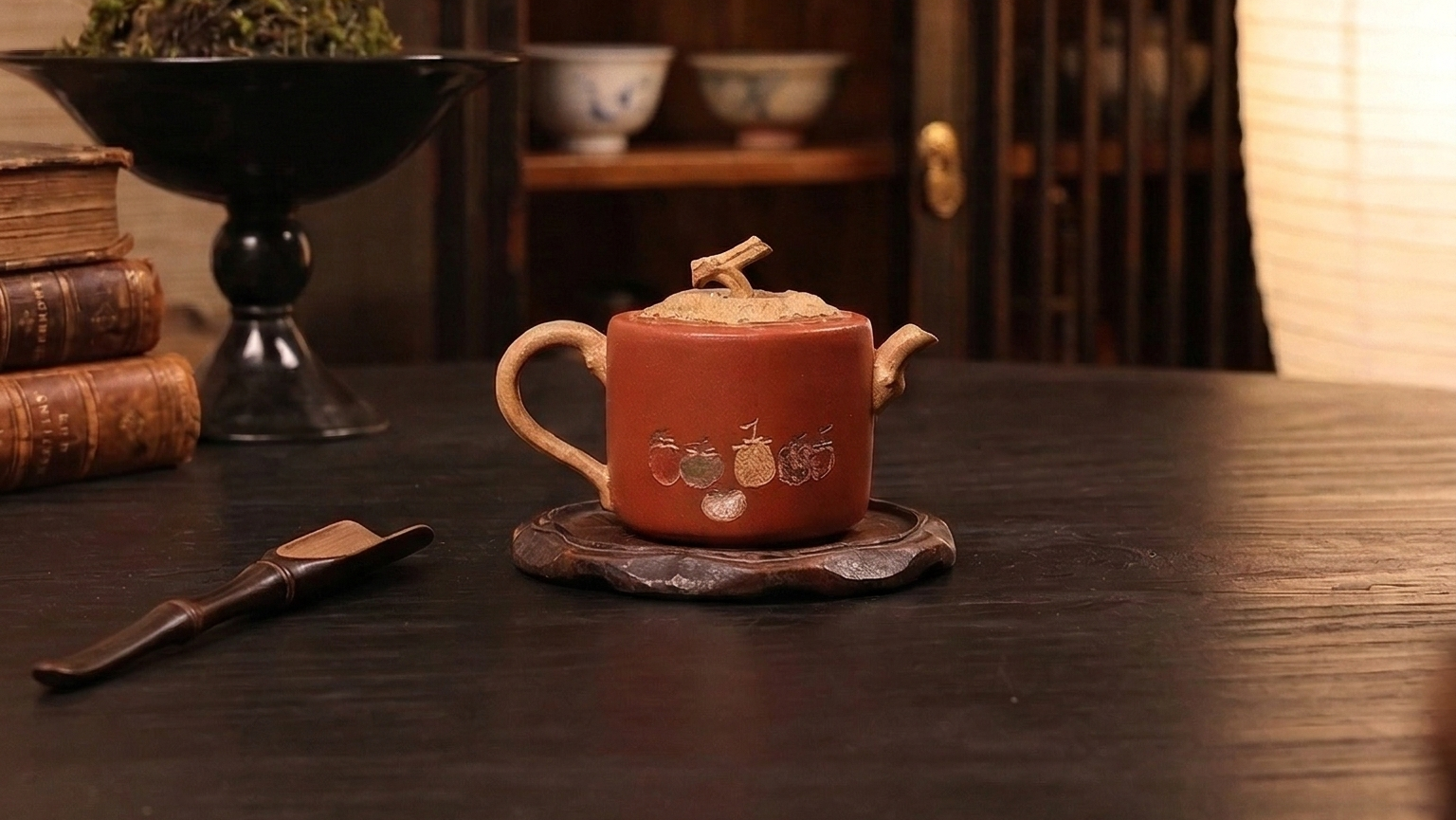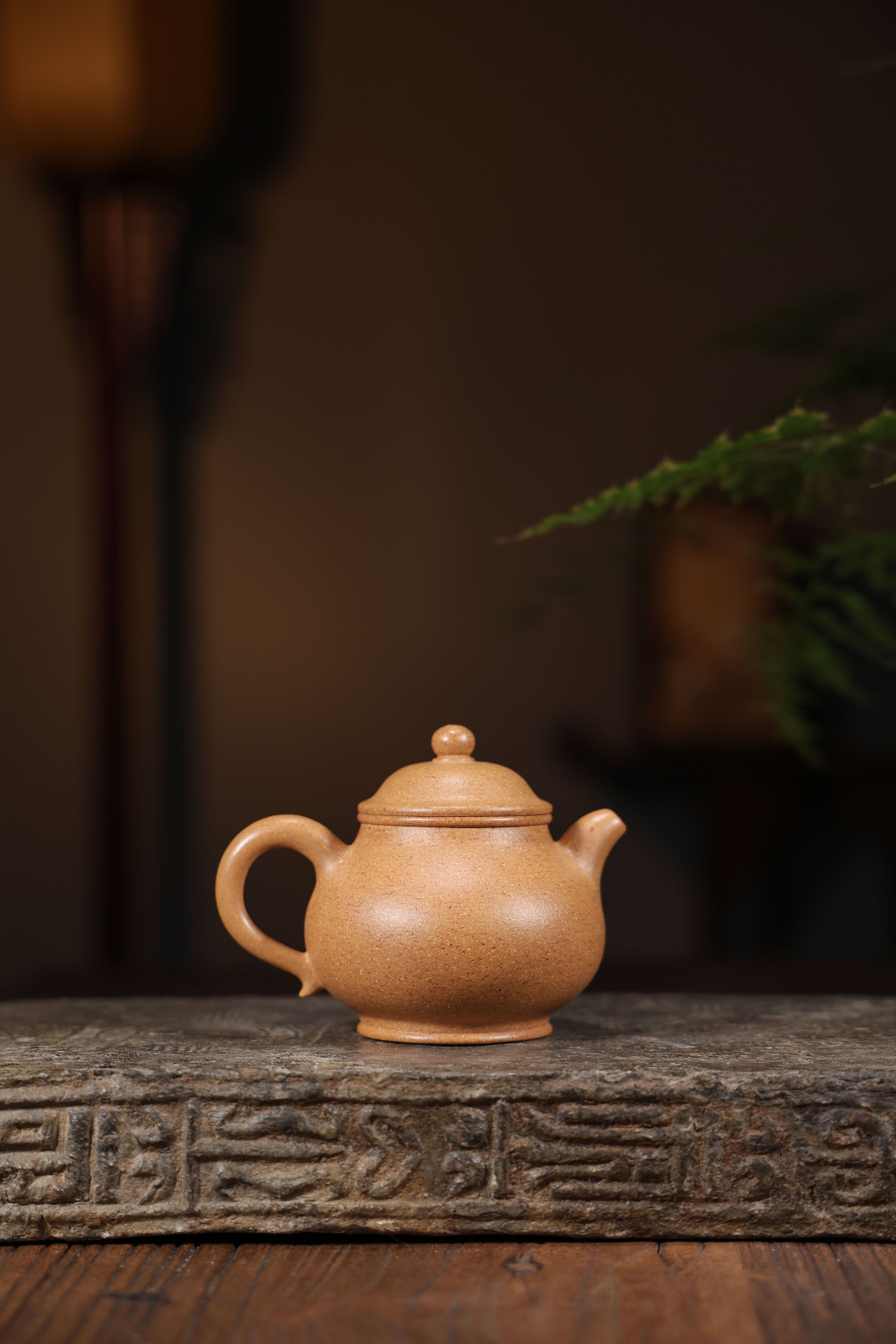
Times of aficionados have sought the exclusive beauty of Yixing Zisha earthenware. Founded in the scenic town of Yixing, the territory, these urns are constructed from a scarce and dug purple clay famous for its extraordinary thermal attributes and capacity to enhance the richness of extracts. Outside of their operative worth, Zisha teapots represent a lasting social background, turning them extremely prized and a veritable masterpiece for any passionate teapot lover.
Surveying Yixing Containers
Authentic teapots represent a distinct integration of history and traditional craftsmanship. Coming in Yixing, Jiangsu Locale of China, their narrative extends to the Ming Dynasty, although proof suggest earlier examples. The unparalleled reddish-brown clay, called Zisha, found exclusively in the Yixing region, is the fundamental component, contributing to the pots' exceptional heat sustaining and the manner they shape the aroma of tea. Continuums of potters have developed techniques—often passed down through families—including crafting the clay, applying elaborate embellishments, and firing the pots at deliberate temperatures.- Initially, Yixing teapots were often ornamented with simple designs.
- Thereafter, more intricate carvings and iconographic motifs became widespread.
- The baking itself is a indispensable element, requiring extensive periods of mastery.
Curating Zisha Teapots: Crucial Checkpoints
Beginning a campaign to gather Zisha pitchers can be fulfilling, but it’s required to understand what to identify. Authenticity is principal; focus on the substance’s natural pigment, a soft reddish-brown is traditional. Examine the feel; genuine Zisha has a special tactile sensation, often noted as slightly textured. The contour should be symmetrical and consistent with historical styles, while inscriptions, if present, require careful examination for validity. Don’t resist to consult with savvy experts or recognized experiences – their awareness is priceless.
Traditional Pitchers: Researching the Heritage of this Yixing Clay
Eons have seen Yixing Rare Clay teapots hold a significant role in Chinese legacy. These exquisitely Yixing Zisha Teapot made pots, sourced solely from the territory of Yixing, are noted for their peculiar pigmentation, composition, and their ability to improve the flavor of infusions. Countless collectors value antique Yixing teapots, treasuring them considerably not only for their aesthetic grace, but also for the chronicle they signify.
Yixing Zisha Teapots: An Top Kinds and Their Attributes
Zisha Clay teapots, sourced from the regional locale of Yixing, this nation, are famed for their unique clay and exceptional brewing capabilities. Among the countless Zisha types, notable sorts that are highly coveted include Tianqing. Binzhou, known for its profound purple shade and even texture, delivers a gentle flavor. This Duan Ni variety, recognizable by its orangish color and partially grainy feel, is assumed to enhance the fullness. Lastly, The Zhuni type boasts an rare burgundy tone and can deliver a mild nuance. Each type affords a singular experience, enabling them extremely desirable to potion enthusiasts.
Refining One’s Purple Clay Cup
To realize the essence of your Yixing teapot, familiarizing oneself with the correct system is vital. These clay receptacles, celebrated for their passability, will steadily absorb the quality of the tea you make within them. Begin by rinsing the pitcher thoroughly with clean water. Then, use only select natural leaf tea, as lower quality options can harm the object’s delicate essence. Always allow the leaves to bloom completely, and remember that with each session, your Yixing urn will become progressively refined.
Caring for Your Precious Zisha Collectible
Proper attention for your Zisha urn is vital to sustaining its longevity and appreciation. Zisha clay, hailed for its unique nuance and consistency, requires considerate handling. Never use abrasive formulas, as these can harm the veneer. After every utilization, rinse the vessel with gentle warm water and allow it to ventilate completely.
- Sidestep soaking the kettle for extended stretches.
- Occasionally use a soft fabric to refresh the exterior.
- Explore applying a thin layer of food-grade vegetable oil inside the pot after drying, which can diminish staining.
Initial Guide to Yixing Clay Pots
Yixing vessels, originating from the Yixing province in Jiangsu Province, of China, are celebrated for their distinctive traits. Shaped from the unique purple earth known as Zisha, these kettles are prized by potion enthusiasts worldwide. This summary will simply explain the essentials – covering categories of Zisha clay, widespread shapes, and crucial care notes. Understanding the genesis of Yixing clay pots can broaden your appreciation for this valued example of Han tradition.
Art of Zhongguo Earthenware: Examining Zisha produced in Yixing
Zisha pottery from the Yixing area represents the summit of Oriental pitcher design, demonstrating a uncommon blend of earthy beauty and useful artistry. These exceptional pieces are celebrated for their intense tones, often varying from robust purples and mahogany hues to pale greys and faint beiges. The noted mineral composition of the exclusive-to-the-area Zisha substrate imparts a unique texture and delivers a welcoming aroma that amplifies the aggregate potion experience, contributing to them strongly valued collectibles and necessary components of any serious ceremony.