Throughout centuries
Since ancient times the malevolent look is considered a beloved representation across civilizations universally. This ancient ritual revolves around perceiving that a vicious glower, usually stemming from jealousy or ill will, can generate problems. Defensive charms, commonly displaying a striking blue emblem, are sported to counteract this adverse power. They serve as a safeguarding shield, redirecting the negative forces back to their source and securing calm for the user. Many find comfort and a sense of security simply knowing they have this symbolic talisman nearby
Modern Protection: Evil Eye Ring Customs
The current movement in accessories is undoubtedly the evil eye band, granting an exclusive synthesis of appearance and old-fashioned shielding. These eye-catching loops, displaying the traditional sapphire pattern, spread broadly, covering posh storefronts to web bazaars. Clients grow more interested in their modest elegance and the conviction that they block bad influences. Be it seeking a minimalist highlight or a striking embellishment, the evil eye ring stays a favored option, expressing a distinct portrayal of beauty and a longing for secure prosperity.
Recognizing the Damaging Glare: Safety Items and Wholeness
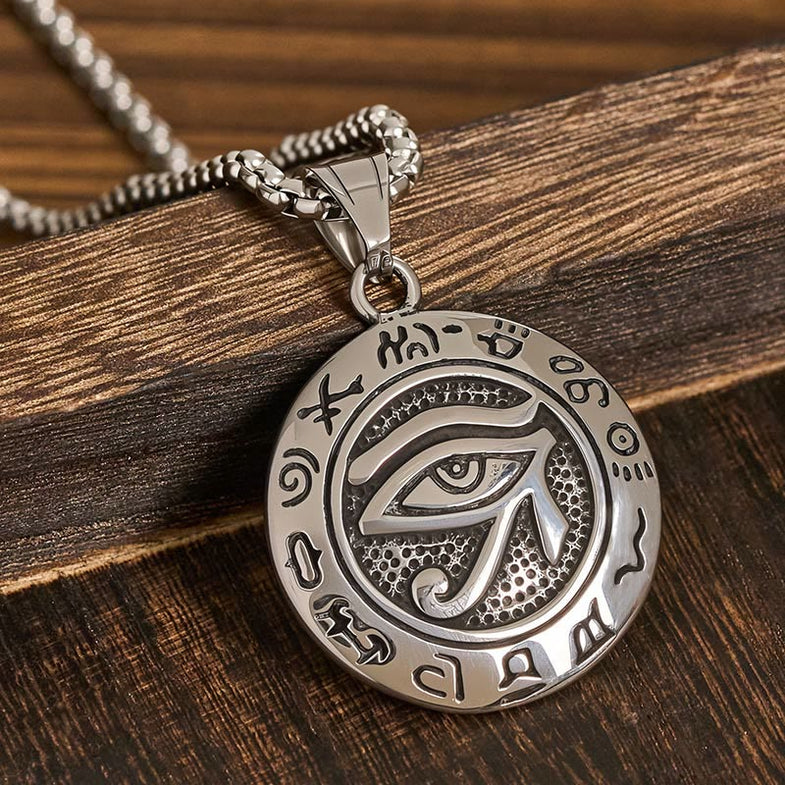
The ancient belief in the evil eye is widespread across many cultures, particularly in the Mediterranean and Middle East. It affirms that a wicked scowl, regularly caused by rancor or envy, may lead to calamity for the addressee. To counter this suspected malevolence, many have frequently wielded charms and pendants, and today, baubles with the well-known teal marking are frequently preferred. These stunning articles, usually made of crystal, are thought to neutralize all ill-intentioned vibes, enhancing health and serving as an individual deterrent to the malevolent effect. Many suppose possessing these pendants confers quietude and maintains from jeopardy.
Beyond Style: How Nazar Protection Jewelry Acts
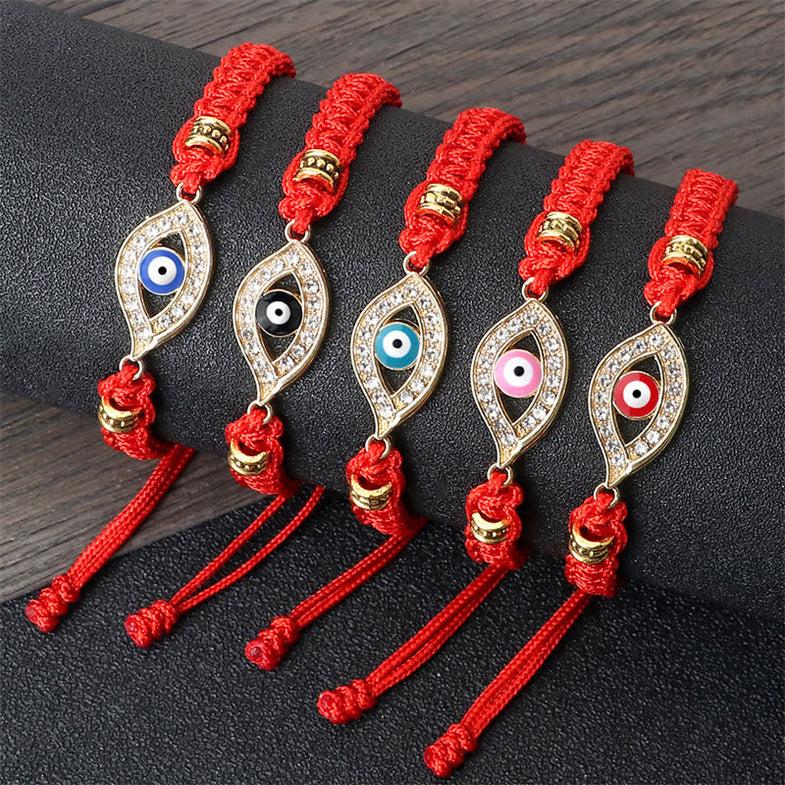
Although regularly viewed as a trendy ornament, nazar defense items demonstrate longstanding pedigrees connected with rituals within different peoples. The ceremony springs from the conviction that hostile auras are emitted by resentful glances, potentially bringing detriment. These pieces – ranging from bracelets, necklaces, and rings – are believed to deflect this malevolent force by reflecting it or absorbing it. Numerous designs expose the famed nazar representation, commonly united with other defensive symbols like the Hamsa evil eye protection jewelry palm. It’s more than mere aesthetics; it involves possessing a sign of metaphysical protection.
- Blocks ill influence.
- Supplies mystical shelter.
- Performs as an emblem of blessing.
The Roots & Value of Nazar Bands
Beginning within traditional cultures of the Middle East, evil eye ornaments reveal a detailed lineage. Thought to provide defense against the harmful stare, their importance resides in averting bad luck. Primitive styles appeared as protective tokens and ornaments displayed by communities wishing for welfare and peace. The image of the stare, usually painted in colors of indigo and pale, is crafted to repel negative influence to the beginning. Across epochs, the custom has disseminated worldwide, with evil eye ornaments becoming favored items for spiritual and stylistic reasons.
Choosing Fitting Blue Eye Trinkets for Private Use
Opting for suitable nazar jewelry can appear challenging, yet comprehending its role is significant. Think about which kind of safeguarding you desire. An indigo glance insignia is traditionally viewed as shielding from harm, with certain colors – like burgundy or tangerine – providing enhanced defense. Ponder over the measurement and substance; a small token is modest, while a grander jewel provides a prominent effect. Concludingly, elect a bauble that fits your heart and appears correct.
Blue Eye Ornaments: An Overview of Substances and Meaning
Over spans, the bűbáj has proven a formidable symbol ensuring security against adverse energy. Customarily present in several ethnic groups, mainly in Mediterranean regions, nazar jewelry stands beyond modern accessories; it represents ancestral tokens. The most common materials include glass, often handcrafted to resemble a blue eye, though other colors like green and red are also employed. The glare mark illustrates an external glance, designed to ward off negative magic, and is commonly combined with other lucky symbols such as the Hand of Fatima, making an elaborate set of mystical hope.
Stratified Shielding: Assembling Your Nazar Trinket Cluster
Developing a lovely stratified cluster of your nazar charms transcends looks; it enhances defensive presence. Begin with a delicate necklace close to your heart, then add bracelets of varying lengths, allowing each charm to catch shine. Always include bands on every finger—a meaningful token. Eventually, a significant nazar ornament on an elongated chain can produce an impressive highlight. Explore metals including white gold, stainless steel, or nickel to refine your individual flair and assemble a bespoke shielding outfit.
Evil Eye Ornaments: Beyond a Gorgeous Addition
Beyond their striking aesthetic, blue eye circles hold a long tradition, initially arising from age-old traditions within Near East. Those distinctive bands aren’t merely fashionable elements for your attire; they’re considered to ensure strong safety from the damaging glare – what followers mention as the “harmful gaze”. Putting on such is regarded as an approach to block ill influences and invite luck upon the person.