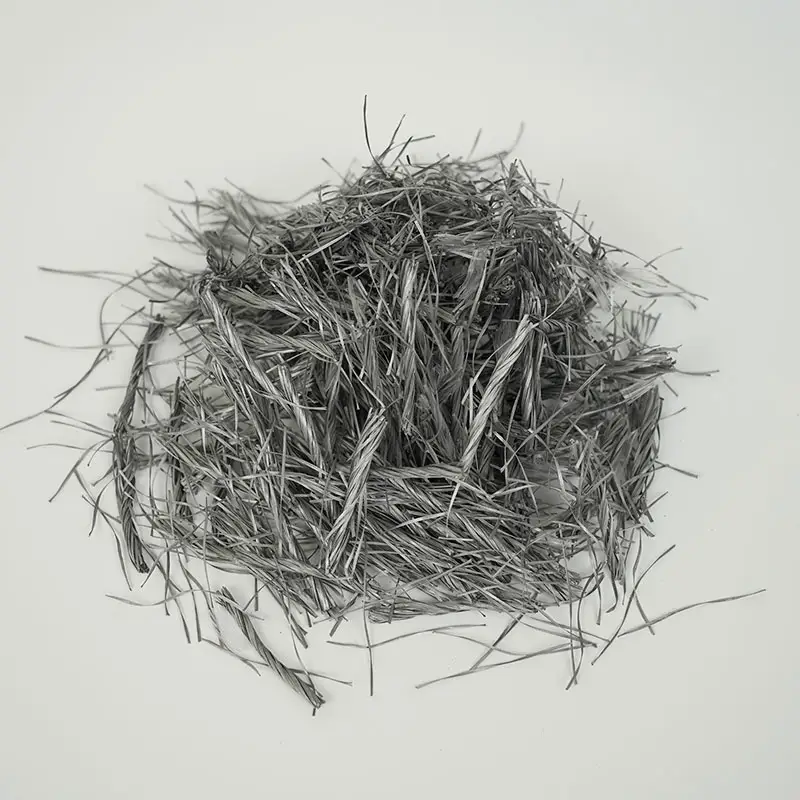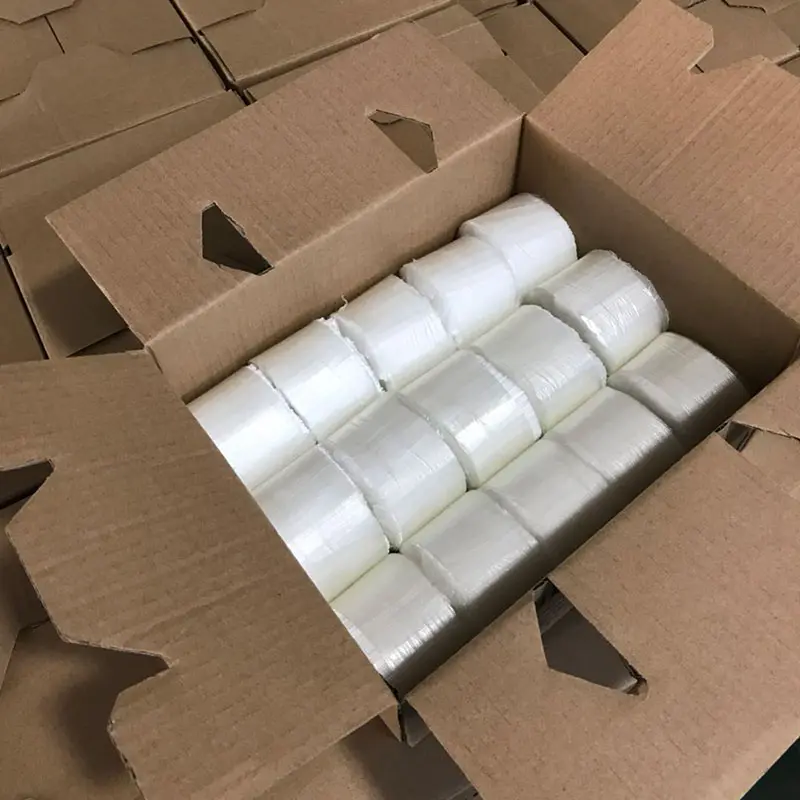
Commencing comprehensive survey relating to synthetic strand fine filament functions among building composites constructions.
Polypropylene fiber yields certain powerful means intended for bolstering durability coupled with elasticity in aggregate compounds. Those miniature components function as typically blended inside the conglomerate production, curbing rupture propagation in addition to strengthening robustness when faced with impacts. Accordingly, the incorporation of polyprop strands provides concrete formations considerably sturdy plus enduring
Synthetic weave within structural functions: Key Complete Summarization
Synthetic components are generally engaged throughout the cement-based industry as an productive practice for enhancing stability and productivity. These minute particles, normally spanning over 0.5 and 12 mm in proportion, deliver a assortment of upside, such as diminished shrinkage and plastic displacement. As opposed to conventional steel bracing, polypropylene fibers are weightless, decay-resistant, and possess the ability to be easily blended into the mix.
- Lowers breaks
- Enhances durability to force
- Furnishes augmented efficiency
- Lowers fabrication expenses
Pros of Adopting Plastic threads for cementitious uses
Utilizing polypropylene fiber in cement-based produces countless positive outcomes. It notably fortifies robustness of such mix, diminishing rupturing caused by tightening. Furthermore, these threads provide outstanding robustness to stress and corrosion, making constructions significantly markedly robust. In conclusion, the minimal-mass character of polypropylene components enables installation and reduces whole undertaking outlays.
Means Plastic reinforcements strengthens aggregate fabrications
PP components technique offers notable modern way to amplify the endurance of concrete fabrications. In distinction from traditional steel support, polypropylene bits are microscopic and widely dispersed the aggregate during casting. These synthetic particles primarily operate by controlling the formation of ruptures caused by settlement and heat-generated tension. Distinctively, they perform minute strengthening agents, unifying minor crevices and limiting the transmission of material damage. On top of that, polypropylene fibers are minimal-mass, reasonably priced, and unaffected to damage, making them a usable alternative for particular needs.
- Advantages of Polypropylene Fibers
- Mitigated Fissure Occurrence
- Elevated Lifespan
- Outlay Optimization
Picking this ideal PP thread concerning your structural formulation
Expertly adding synthetic component alongside the building needs judicious consideration. One category connected with unit one pick markedly alters conclusive strength and manageability regarding this construction. Parameters especially part length, ratio, and binder affinity are important regarding realizing peak payoffs.
Price Efficiency and Effectiveness of Polypropylene-based Concrete Fiber
PP filaments in cementitious provide significant affordability versus traditional iron support. Although the preliminary investment may be slightly higher, curtailed manpower expenses pertaining to assembly and the enhanced operational life of architectures produce in helpful gains. Besides, synthetic fibers augment structural pressure durability, minimize fissures, and elevate comprehensive strength, thus making them a effective substitute for a extensive range of uses.
Progressive Functions of Polyprop fibres amid structural mixes
Developing examinations demonstrate pioneering utilizations for propylene element throughout the building environment. These small additives dramatically boost aggregate's strength, particularly structural property to deal with splitting and shrinkage. Focused instances include intelligent structural mixtures where component discharges confined fixing mixtures upon cracking, and featherweight structural for particular projects in the aeronautical and vehicle areas. Further examination goes on in motion to advance efficiency and fiscal viability of this advantageous process.
Examining various Aspects concerning Plastic Concrete Reinforcement
Plastic fibers in masonry applications showcase exclusive characteristics that markedly control the behavior relating to reinforced composite structures. These inclusions are generally constructed from melt-spun polypro substrate, creating a compact and pliable addition. Fundamental merits Polypropylene Fiber for concrete entail:n
- Improved fissure strength
- Elevated burst might
- Diminished shrinkage splitting
- Notable compound hardness
Plastic Strand versus Different Building Bracing Solutions
As assessing cement endeavors, the choice of strengthening materials is essential. Polypropylene-enhanced weave has risen as a realistic choice to classic iron strengthening. While steel grants robust tensile fortitude, it is susceptible to degradation, increasing maintenance budgets. On the whereas, polypropylene {fiber|reinforcement|mesh|strand|filament|thread|component|