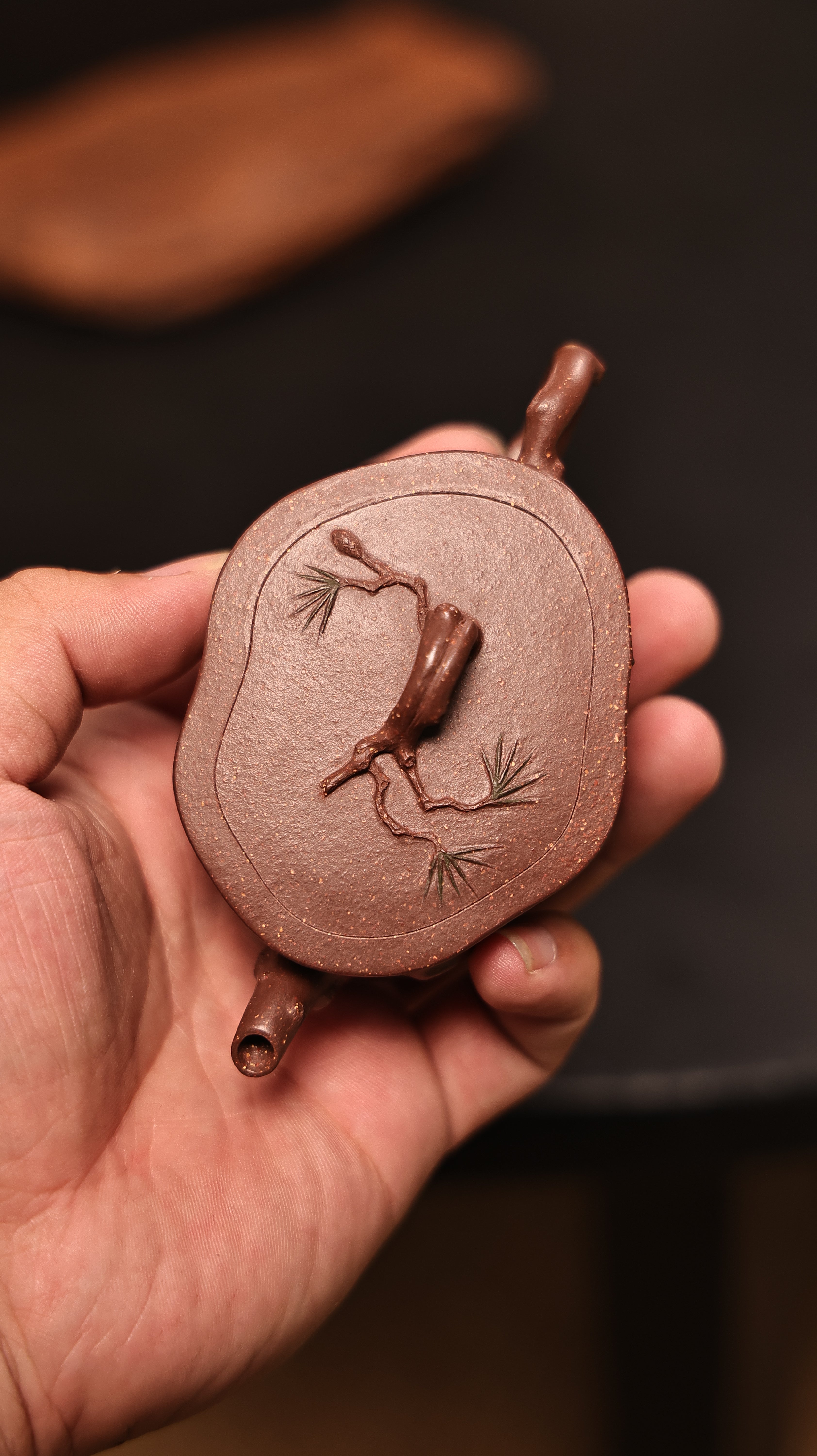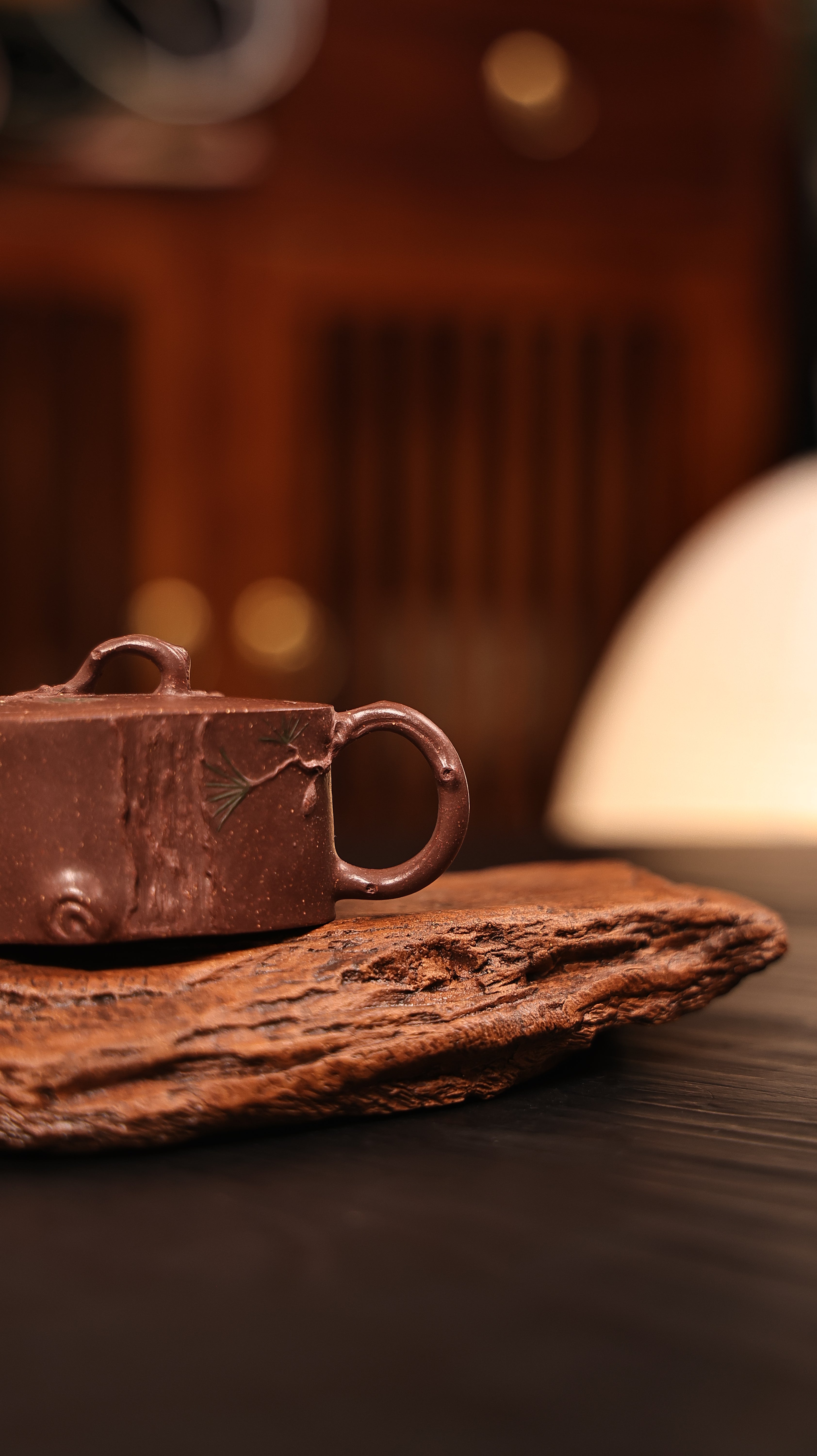
Beginning your detailed study in relation to Yixing Zisha brewing containers delivers this engaging alloy involving technique accompanied by effectiveness.
Ising Tzu Sha earthenware pots carry this unequaled appeal within collectors around the planet. The extraordinary earthenware containers, originating from the distinct Issing territory around Jiangsu area, China, represent more than just brewing tools; they are acknowledged as works decorative beauty and ancestral significance. That finely refined clay, known as Zisha, imparts a soft flavor through the tea, and the intricate designs, often showcasing traditional Chinese patterns, raise their built-in value. Collecting a genuine Yixing Zisha teapot provides a pleasing journey, involving careful study and an awareness of the multiple factors influencing their specialness.
Investigating Yixing Vessels
Yihsing earthenware pots boast a storied past deeply interwoven with Chinese traditions. Originating in Yixing, Jiangsu region, these pitchers are crafted from a unique, porous purple soil found only in that specific location. Their advancement began during the Ming era, with master sculptors refining the approaches over periods. Distinct types are found, including the classic Hexiang (resembling crab shells), Zhuni (red-brown hue), and Duan Ni (stone-studded) – each with distinctive qualities. The price of an Yixing tea container isn't solely based on its size or adornment, but also on the potter’s reputation, the mineral's quality, and the vessel's age and condition. Gatherers often seek out older examples, believing they enhance the savor of the infusion brewed within them over time, Yixing Zisha Teapot further adding to their renown.- Crab Shell Brewing Vessels
- Red-Brown Ceramic Pots
- Stone-Studded Ceramic Pots
Zisha Teapot Mastery: Artistry & Systems
The fabrication of Zisha teapots represents a zenith of Chinese ceramic skill. Professional artisans employ age-old techniques, often passed down through descendants, to unlock the full expression of this unique clay. Approaches involve meticulous sculpting by hand, often combined with the binding method, followed by precise baking at incredibly severe temperatures in wood-fired kilns. Detailing is equally crucial; potters utilize organic clay colors and may incorporate modeling work to depict intricate scenes or patterns, demonstrating a profound understanding of the material’s features and presence. The conclusion teapot isn't merely a vessel for tea, but a testament to a significant cultural lineage.
Traditional Teapots: One Synopsis to Issing Zisha
Discovering the world of Oriental teapots routinely opens with Yixing Zisha. These unique clay pots are manufactured from a distinct type of clay obtained only in the Yixing region of Jiangsu province. Famous for its remarkable reddish-purple hue and superior features, Zisha clay transfers a light flavor to the liquid and develops with age, evolving into a cherished collectible. Acquiring Yixing Zisha containers is more than just controlling a handsome object; it’s a dedication of practice and talent.
Surveying exclusive Stoneware: Authenticity & Appreciation
Delving into the world of Yixing Zisha pottery can be both rewarding, but requires a keen judgment. Accuracy is imperative; abundant duplications occur, routinely expertly fabricated. Informing oneself about conventional baking practices, exclusive soil features, and the signatures of reputable manufacturers is entirely fundamental. Additionally, grasping the subtleties of the expansion development – influenced by reasons such as artistic significance and the preservation of the product – is crucial to successful gathering.
- Studying clay history.
- Contacting consultants for validation.
- Appraising business trends.
The Technique of Steeping with a Zisha Urn
A unique allure of a Zisha apparatus lies not just in its lovely appearance, but also in its profound impact on the bouquet of the infusion. These antique clay earthen vessels, sourced from particular regions of China, possess a fundamental porosity that softly interacts with the moisture and leaves, imbuing the infusion with a nuanced character. Mastering the skill requires a attentive approach, understanding how the mineral responds to distinct thermodynamics and foliage types, ultimately leading to a truly rewarding tasting experience.
Upkeeping The Possession
Proper maintenance of your Yixing pot is essential to protecting its longevity. These remarkable teapots, crafted from distinctive Yixing clay, form a gradation over decades that magnifies their worth. Systematically rinse the interior with fresh water, avoiding abrasive liquids, and never use strong scrubbing tools. Sporadic gentle cleaning with a fine cloth can promote in eliminating discoloration. Allow your carafe to thoroughly dry following each use
Understanding Earthenware: Secrets Those Ceramic Pots Illustrate Special
The noted appeal of Yixing teapots starts from the distinctive properties of Clay clay, harvested solely near Yixing, the Memorable Chinese region. This outstanding clay, classified as ferruginous mud , possesses a strange combination of substances that, after aging, receive the flavor of the infusions it houses. This causes a remarkable flavor profile for each kettle, rendering it a rate far transcending its baseline price and assisting to their highly prized status among connoisseurs.
Discovering the Optimal Classic Clayware: A Ceramic Outline
Venturing into the world of Purple clay teapots can feel complicated, but understanding the baselines is imperative to selecting a treasured piece. Such clay, sourced mainly from the district of Yixing, the Jiangsu area, is well-regarded for its exclusive grain and ability to augment the essence of the beverage over use. Evaluate the design, the shade, and the look and feel; a authentic Zisha teapot is more than just a vessel; it's a work of art and a example of cultural culture. View the etching of the craftswoman for clues to its lineage and potential significance.