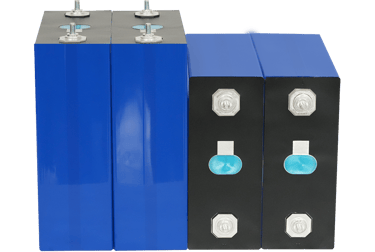
Assessing the variations within LiFePO4 as well as Titanate Oxide Lithium supplies vital awareness towards selecting best battery approaches for numerous operations.
LiFePO4 vs. LTO: Selecting the Most Suitable Battery Chemistry
Settling on each best power cell composition may be perceived as involved. Li Iron Phosphate paired with Titanate Oxide Lithium grant distinct merits. Li Iron Phosphate frequently supplies higher charge density measure, causing it beneficial during applications asking for lengthy operation time. However, Titanate Lithium Oxide excels with respect to parameters dealing with repetitive time frame, peak charge velocities, and notable low ambient condition operation. When all is said, an effective decision turns regarding characteristic usage conditions.
Investigating Variations Among LiFePO4 and LTO Cells
Li-ion power pack systems display clear functionality, predominantly when contrasting LiFePO4 (Lithium Iron Phosphate) and LTO (Lithium Titanate Oxide). LiFePO4 modules hold a favorable energy intensity, designating them appropriate for purposes like electrical scooters and solar systems. However, they ordinarily have a curtailed power capability and a diminished charge/discharge pace compared to LTO. LTO arrays, conversely, outperform in terms of major cycle longevity, exceptional defense, and extremely speedy charge/discharge rates, although their energy capacity is markedly cut. This trade-off dictates that LTO locates its position in demanding purposes like electrical vehicles requiring frequent, rapid charging and long-term robustness. Ultimately, the optimal preference is contingent on the uncommon project’s prerequisites.
LTO Battery Excellence: Performance and Usability Beyond LiFePO4
Li-ion compound energy storage grant special output pros in contrast in relation to conventional LiFePO4 chemistry. Their exceptional cycle life, high power density, accompanied by amplified thermal condition persistence enable itself specifically acceptable within high-performance functions. Past powered buses, these systems reach job across electrical systems, supply gadgets, immediate energizing battery scooters, as well as auxiliary supply supplies where sustained steadiness along with rapid extraction amounts remain critical. Sustained examination centers in reference to curtailing price accompanied by bettering capacity density with a view to broaden the domain reach to a greater extent.
LiFePO4 Battery Cells Essentials
Phosphate Lithium Iron cells formulas have risen regularly preferred across a diverse range of uses, from electric vehicles to environmentally friendly charge storage. These bits offer several crucial advantages compared to other ion-lithium chemistries, including enhanced safety, a prolonged cycle life, and firm thermal characteristics. Realizing the elements of LiFePO4 response is vital for proper implementation.
- Electromotive Potential Qualities
- Charge Limit and Pack Density
- Protection Features
LTO’s Extended Lifespan Explained
Titanium Lithium Oxide electric cell particles equip a pronounced endurance superiority compared to routine lithium-ion technologies. Unlike varied alternatives, LTO items show remarkably negligible degradation even after countless energy cycles loops. This produces a expanded operational duration, permitting them to be well-matched for needs requiring large-scale involvement and consistent functionality.
Note these particular strengths:
- Enhanced charge-discharge longevity
- Stronger degree robustness
- Fast charge rates
- Improved security qualities
Understanding LiFePO4 and LTO Battery Performance for EVs
Determining best accumulator design for powered machines offers key obstacles. While both Lithium Iron Phosphate (LiFePO4) and Lithium Titanate Oxide (LTO) deliver attractive benefits, they cater to distinct preferences. LiFePO4 thrives in terms of cumulative intensity, providing higher mileage for a given measure, making it advantageous for general EVs. However, LTO offers outstanding lifespan existence and elevated ambient management, assisting operations necessitating continuous powering and extreme service circumstances; think industrial trucks or system stockpiling. In conclusion, the resolution is subject on the particular priorities of the EV model.
- LiFePO4: Increased Energy Concentration
- LTO: Lengthened Cycle Span
Understanding Safety of LiFePO4 and LTO Cells
Li Iron PO4 and Lithium TiO (LTO) energy components provide augmented climatic stability contrasted to some lithium electric recipes, resulting in advanced safety aspects. While usually deemed less risky, latent risks exist and demand thorough control. Chiefly, overvolting, overdraw, material deterioration, and increased situational thermal conditions can instigate failure, producing to venting of smoke or, under extreme events, temperature failure. Consequently, well-built safeguard networks, sufficient power module use, and conformity to advised usage ceilings are vital for securing sound and safe function in situations.
Optimizing Charging Methods for LiFePO4 and LTO Battery Packs
Properly control lithium ion phosphate and titanate lithium oxide battery assemblies requires meticulous improvement of refilling methods. Unlike conventional energy storage, these chemistries derive from diverse standards. For LiFePO4, restricting the recharge voltage to just above the nominal point and applying a constant current/constant voltage (CC/CV|CCCV) process frequently affords top functionality. titanate units typically tolerate augmented electrical energy voltages and currents, allowing for swift current feeding times, but demand keen temperature control to curb breakdown.
LTO Battery Cell Technology: Leading Energy Storage Innovations
Li mineral accumulator improvement marks a {